Kiln-Dried Wood & Species: Walnut, Oak, and Maple
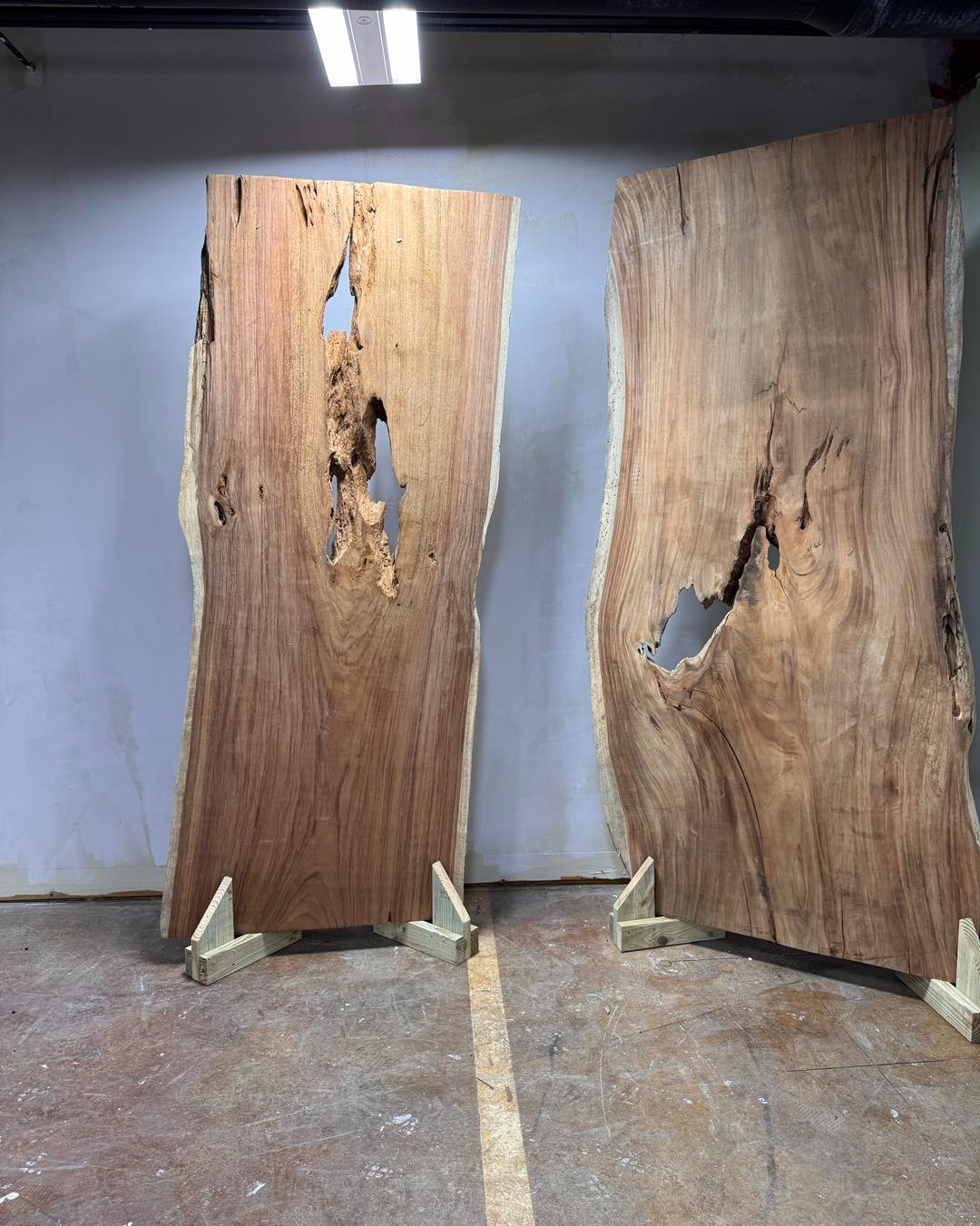
Why kiln-dried walnut, oak, and maple matter for custom live-edge and river tables: stability, look, and indoor use in Georgia. Guidance from 1of1 Woodworker in Statham.
Why kiln-dried stock matters indoors
Furniture that lives in heated and air-conditioned Georgia homes needs wood that has been dried to a stable moisture range. Kiln-dried material reduces the risk of severe movement, checking, and finish failure compared with poorly dried stock.
We still design with seasonal movement in mind — solid wood always responds a little — but starting with appropriate drying is foundational to a table that stays flat and serviceable.
Walnut
Walnut is prized for rich browns, often dramatic figure, and a refined furniture look. It is a frequent choice for dining and statement pieces where the grain does the talking under oil or clear finish.
Availability of wide, kiln-dried slabs varies; book-matching and pairing are part of the selection conversation at the gallery.
Black walnut is also a classic resin table partner: a black walnut river table pairs the dark wood with a clear, blue or black epoxy channel, as in our Midnight Sky build.
Oak
Oak (including white oak looks clients often ask for) brings strength, visible grain, and a classic American furniture feel. It can read lighter or take color differently than walnut depending on finish strategy.
Oak works well for family dining tables and some commercial settings where durability and a familiar aesthetic matter.
Maple
Maple tends toward lighter tones and a tighter grain. It can feel contemporary under a clear coat and is a strong option when you want brightness in the room, or a lighter epoxy table where the resin color leads.
Choosing at the Statham gallery
Photos help, but walking kiln-dried slabs in person — seeing color, voids, and width together — is the best way to lock species and character. Bring room photos so we can match scale and tone to your space.